Illuvium Is a Game, NFT, ILV Token, and Marketplace Guide
Illuvium Is a blockchain game ecosystem where players collect, battle, trade, and use digital assets connected to the Illuvium universe. It combines role-playing game ideas, auto-battler strategy, marketplace trading, and crypto ownership through NFTs and the ILV token. A new user should understand the gameplay, wallet setup, marketplace fees, token risks, and account security before buying assets or connecting a wallet.
Illuvium is often searched by people who want a plain explanation before they click into a wallet prompt, buy an NFT, or compare prices across a marketplace. That is a sensible approach. Crypto games can look familiar on the surface, but the details matter: assets may sit in a wallet, prices can move quickly, marketplace listings can change, and transactions may require network fees. Illuvium should be evaluated as both a game experience and a crypto-enabled asset ecosystem.
Illuvium is not just one screen or one marketplace listing. The broader Illuvium ecosystem has included creature collecting, land or game-related assets, cosmetic items, marketplace activity, and token-based governance or utility concepts. In practice, that means a player may be thinking about entertainment, while a trader may be thinking about liquidity, rarity, floor prices, offers, and gas costs. Those goals overlap, but they are not the same.
What is Illuvium?
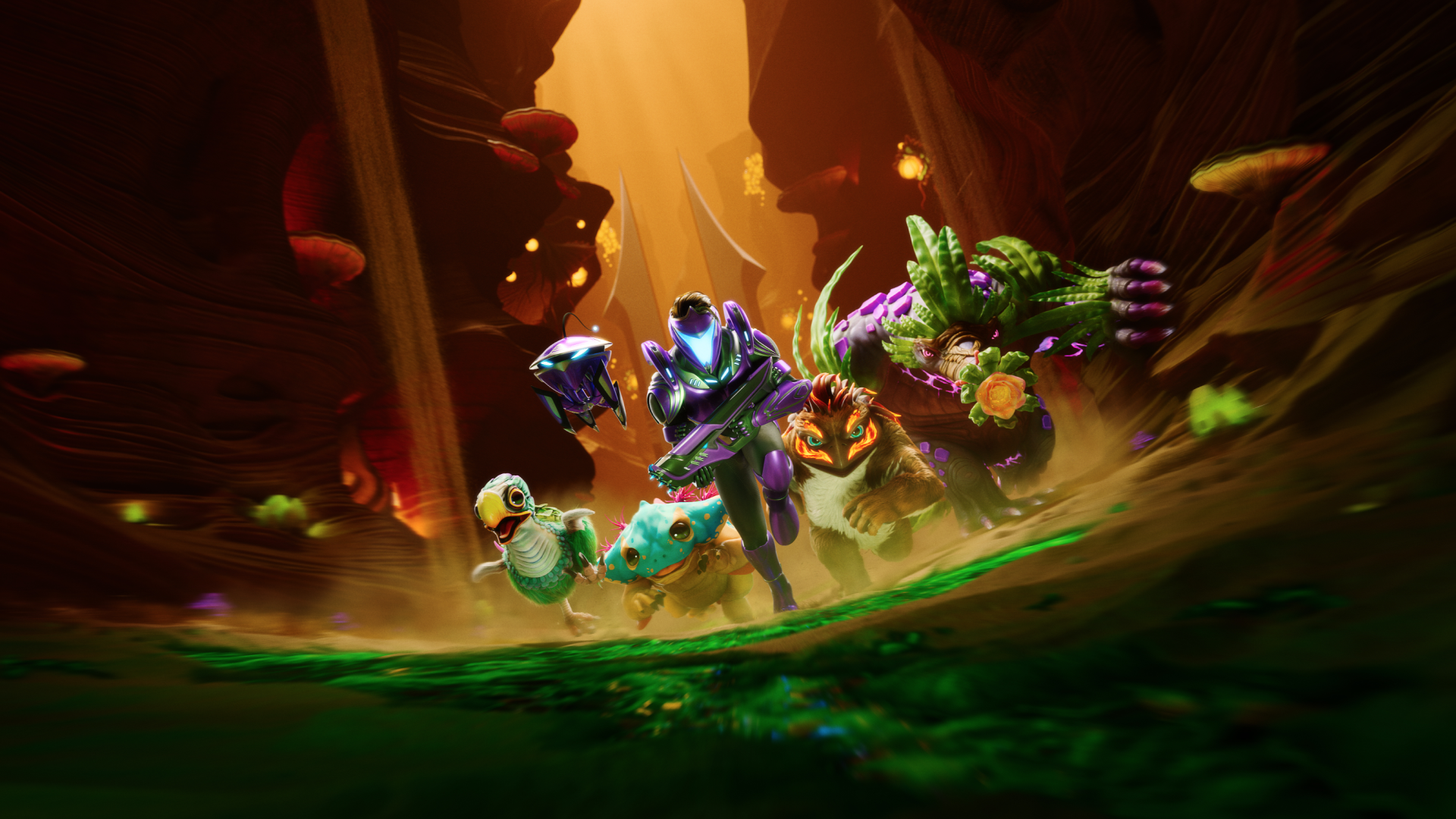
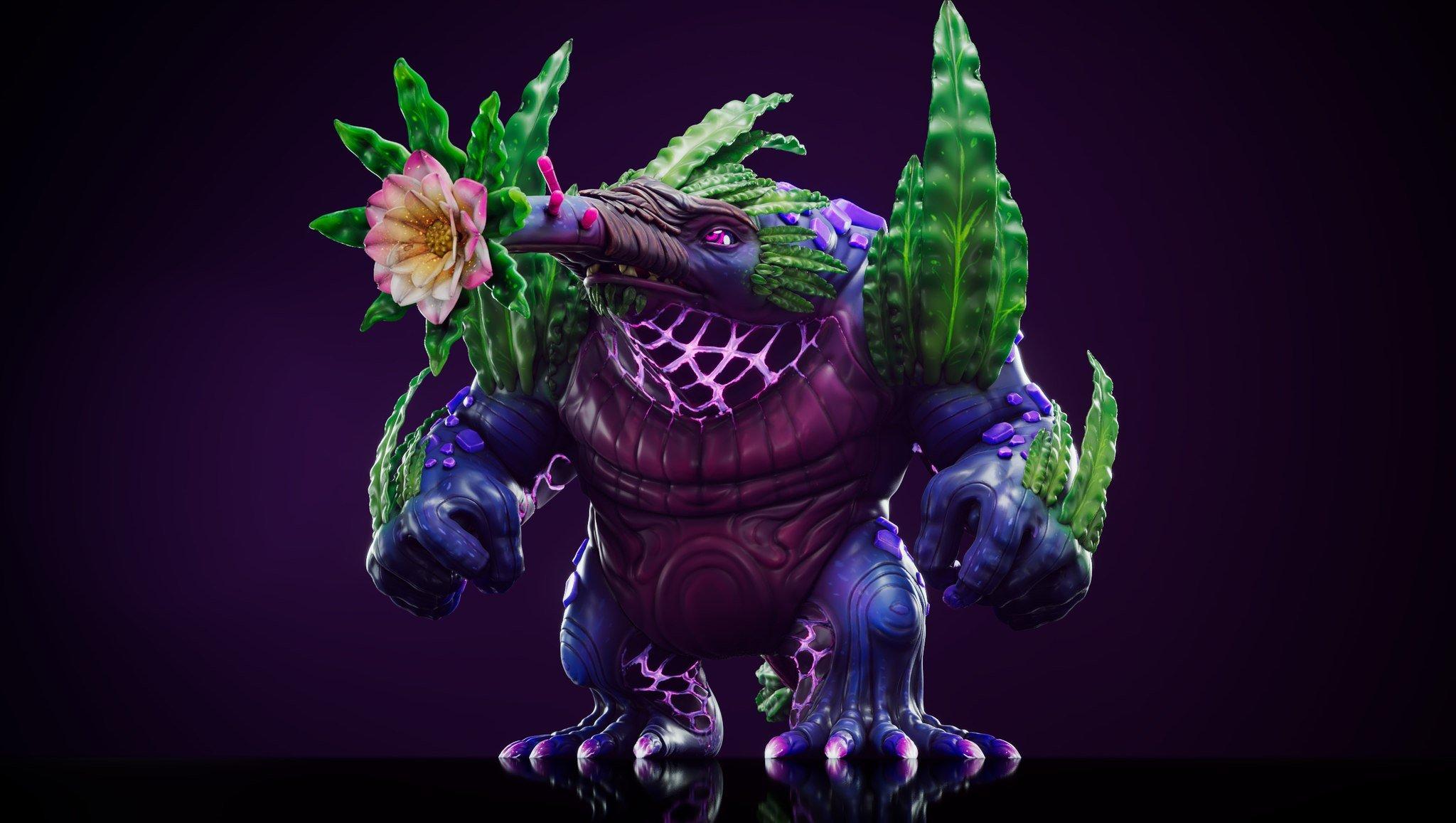
Illuvium is a web3 gaming project built around a science-fantasy world of collectible creatures commonly known as Illuvials. The appeal comes from the blend of game design and digital ownership: players can explore, collect, compete, and interact with assets that may be represented as NFTs. Illuvium sits in the same broad category as blockchain games, NFT games, crypto gaming marketplaces, and tokenized game economies.
Illuvium is best understood as an ecosystem rather than a single collectible page. A marketplace view can show items, offers, traits, activity, and floor prices, but those numbers are only one part of the story. A user also needs to understand what an item does, whether it is cosmetic or functional, whether it belongs to a specific promotion or release, and whether it can be used in the current game experience.
Illuvium also has a token dimension through ILV. Tokens in gaming ecosystems can be used for governance, incentives, staking concepts, or other project-specific purposes, but the exact use cases and availability can change over time. Anyone researching Illuvium should verify token details, marketplace contracts, supported networks, and official game documentation before making a transaction.
How does Illuvium work for players and collectors?
Illuvium works by connecting game activity, digital assets, wallets, and marketplaces. A player may begin by learning the game modes, creating an account where required, and setting up a compatible wallet for blockchain interactions. A collector may begin by comparing NFT collections, checking item traits, reviewing trade history, and deciding whether an asset has personal or market value.
Illuvium NFTs can represent different kinds of game-related or promotional assets. Some users look for low-cost collectibles, while others focus on rarer editions, badges, skins, emotes, or items tied to early releases. The important point is that rarity, listing price, and recent sale price are not the same thing. Illuvium marketplace decisions should be based on a careful review of the actual item, its provenance, and current demand.
The protocol and game services can involve Ethereum-based assets and scaling infrastructure depending on the asset type and marketplace route. That means users may encounter wallet signatures, approvals, wrapped tokens, gas fees, bridging steps, or platform fees. Illuvium users should slow down when a transaction asks for permission, because approving the wrong contract can expose assets beyond the item being purchased.
What can you use Illuvium for?
Illuvium can serve several different user goals. For a player, Illuvium is mainly a game world: the reason to care is exploration, collecting, combat strategy, progression, and participation in a community around a shared universe. For a collector, Illuvium may be about owning digital items with visible traits, histories, and scarcity. For a crypto user, Illuvium may be about the ILV token, governance discussions, market activity, or broader web3 gaming exposure.
Illuvium also attracts users who are comparing crypto games with traditional games. Traditional games usually keep assets inside a publisher-controlled account system. Illuvium and similar blockchain games can let certain assets be held in a wallet and traded through supported marketplaces. That difference can be powerful, but it also shifts responsibility to the user. Password recovery, private key protection, and transaction review become part of the experience.
Illuvium assets may be useful for display, gameplay, collection building, or marketplace trading depending on the item and current project support. Before paying for any Illuvium item, check whether it is merely collectible, whether it has in-game relevance, whether it belongs to an official collection, and whether the marketplace listing is using the correct contract. A similar name or image is not enough proof.
How do you get started with Illuvium?
Illuvium is easier to approach when the first steps are deliberate. A new user should separate learning from spending. First, read the current official materials, understand which game products are active, and confirm which wallets and networks are supported. Then review the marketplace environment without connecting a wallet. Only after that does it make sense to fund a wallet or sign transactions.
- Research the current Illuvium game modes, asset types, and official marketplace routes.
- Create or use a wallet that you understand, and protect the recovery phrase offline.
- Verify the official Illuvium domain, collection names, and contract details before interacting.
- Compare listed prices with recent sales, offers, liquidity, and item traits.
- Start with a small transaction if you are new to crypto wallets or NFT marketplaces.
- Keep records of purchases, fees, wallet addresses, and tax-relevant activity where applicable.
Illuvium users should also practice wallet hygiene. Use bookmarks for official pages, avoid links sent through direct messages, and consider a separate wallet for browsing marketplaces. A hardware wallet may be appropriate for higher-value assets, but it does not remove the need to read transaction prompts. Illuvium ownership still depends on signing only what you intend to sign.
What should you know about Illuvium NFTs and marketplace prices?
Illuvium NFT listings can show a floor price, top offer, sale history, volume, item count, holders, traits, and other marketplace signals. Those indicators help with research, but they are not guarantees of value. A low floor price may reflect weak demand, a thin market, or a common item. A high listing price may simply be an owner asking for more than buyers are currently willing to pay.
Illuvium marketplace activity can include emotes, badges, skins, promotional assets, or other collectible categories depending on the collection being reviewed. For example, some users may compare Genesis-style promotional items by edition, trait, visual appeal, and prior sale data. The safer habit is to treat every Illuvium item as unique until you confirm the exact collection, token ID, metadata, and current official status.
Illuvium buyers should understand the difference between buying the floor and buying an item that fits a real goal. Buying the cheapest asset may make sense for learning, but it may not be useful in the game or easy to resell. Buying a rarer Illuvium asset may feel more compelling, but rarity alone does not create liquidity. The market decides, and the market can change quickly.
How does the ILV token fit into Illuvium?
Illuvium is associated with ILV, a crypto token connected to the project ecosystem. Users may encounter ILV in discussions about governance, incentives, staking, exchange listings, or long-term project participation. Token mechanics are separate from the question of whether someone enjoys the game. A player can be interested in Illuvium gameplay without treating ILV as an investment thesis.
Illuvium token research should include supply information, unlock schedules if applicable, exchange liquidity, contract addresses, staking status, and current project announcements. Crypto token prices are volatile, and gaming tokens can be especially sensitive to player growth, release timelines, market cycles, and speculation. Illuvium content that promises easy profit, guaranteed rewards, or risk-free staking should be treated with caution.
For a new user, the practical rule is simple: understand why you need ILV before buying it. If the goal is only to play Illuvium, confirm whether the token is actually required for the action you want to take. If the goal is governance or ecosystem participation, verify the current rules with official Illuvium sources. If the goal is trading, recognize that trading risk is separate from game interest.
What fees and costs can Illuvium users face?
Illuvium costs can come from several places. There may be the purchase price of an NFT, marketplace fees, creator royalties where applicable, network gas fees, exchange trading fees, withdrawal fees, bridge costs, and currency conversion spreads. These costs can make a small purchase more expensive than it first appears. Illuvium buyers should calculate the all-in cost before clicking confirm.
Illuvium users may also encounter costs when moving funds between exchanges, wallets, and marketplaces. A token bought on one platform may need to be withdrawn to a wallet, swapped for another asset, or bridged to a supported network. Each step can add fees and risk. In some cases, the cheapest listed Illuvium item is not the cheapest completed purchase once gas and transfer costs are included.
Illuvium traders should pay attention to liquidity as well as fees. A marketplace can show a listed price, but if there are few buyers, selling later may require accepting a lower offer. A collection can have historical volume without strong current demand. Illuvium research should therefore include recent sales, bid depth, item rarity, and broader market conditions rather than only the visible floor price.
Is Illuvium safe, and what are the main risks?
Illuvium can be used more safely when users treat every wallet interaction as a real financial action. The project may be legitimate, but that does not make every link, collection, listing, token pair, or message legitimate. Phishing pages often copy branding, fake support staff may ask for seed phrases, and malicious approvals can target valuable NFTs or tokens. Illuvium users should never share recovery phrases or sign unclear approvals.
Illuvium also carries ordinary crypto and gaming risks. Game features can change, asset utility can change, token prices can fall, and marketplace demand can disappear. Smart contracts and bridges can have technical risk. Exchanges can change listing support. Regulations and tax obligations can vary by jurisdiction. This page is informational only and should not be treated as financial, legal, or tax advice.
A safer Illuvium setup includes official bookmarks, a clean browser profile, two-factor authentication on exchanges, a separate wallet for testing, and careful review of token approvals. Users should revoke old approvals when they are no longer needed and should verify details with official Illuvium channels before following a guide, promotion, or marketplace link. The more valuable the wallet, the more conservative the signing process should be.
How does Illuvium compare with other blockchain games?
Illuvium is often compared with other blockchain games because it combines collectibles, game loops, token economics, and marketplace activity. The important comparison is not only price or hype. A user should compare the quality of the game, the depth of the economy, the clarity of official documentation, the number of active players, the liquidity of assets, and the practical experience of moving funds in and out.
Illuvium may appeal to users who want a more polished game universe than a simple collectible project. It may be less appealing to users who do not want wallet responsibility, token volatility, or marketplace complexity. Traditional games can be simpler because payment, custody, and support are centralized. Illuvium gives users more direct control over some digital assets, but direct control also means direct responsibility.
Alternatives may include traditional role-playing games, non-crypto auto-battlers, other NFT games, and broader Ethereum collectibles. A balanced comparison asks what the user actually wants. If the goal is entertainment, gameplay quality matters most. If the goal is collecting, authenticity and scarcity matter. If the goal is trading Illuvium assets, liquidity, fees, and risk controls matter more than promotional claims.
What is the best way to think about Illuvium before using it?
Illuvium is easiest to understand as a game-first ecosystem with crypto layers attached, not as a shortcut to profit. The strongest reason to spend time with Illuvium is genuine interest in the world, assets, strategy, and community. Marketplace data can help users make informed choices, but it should not replace independent judgment.
Illuvium research should end with a clear personal plan: what you want to do, which asset or token is required, what fees you will pay, what could go wrong, and how you will secure the wallet. For many users, the right first step is simply to observe Illuvium marketplaces, read official updates, and learn the wallet flow before buying anything.
Illuvium can be interesting for players, collectors, and crypto researchers, but each group should measure success differently. Enjoyment, ownership, and trading performance are separate outcomes. When those boundaries are clear, Illuvium becomes easier to evaluate without hype. Verify current details with official sources, keep transactions small while learning, and treat every wallet signature as a decision worth reviewing.
Questions and Answers
What is Illuvium in simple terms?
Illuvium is a blockchain gaming ecosystem built around collecting, battling, and trading game-related digital assets. It combines role-playing and strategy game ideas with NFTs and the ILV token. Some users approach Illuvium as a game, while others research its marketplace activity, collectible items, or token economy. New users should verify current features and official links before connecting a wallet.
Do I need a crypto wallet to use Illuvium?
A wallet may be needed for blockchain actions such as holding NFTs, buying marketplace assets, signing approvals, or interacting with token features. Some game or account functions may differ depending on the current product flow. Before using Illuvium with a wallet, confirm the supported wallet types, networks, and official domains, and never share your recovery phrase with anyone.
What are Illuvium NFTs used for?
Illuvium NFTs can represent game-related or collectible assets such as creatures, cosmetics, badges, promotional items, or other digital objects depending on the collection and current project support. Their practical use can vary, so buyers should check the exact item, contract, metadata, and official documentation. A marketplace listing alone does not prove in-game utility or future value.
Is the ILV token required to play Illuvium?
ILV is connected to the Illuvium ecosystem, but whether it is required depends on the specific action you want to take and the current project rules. Some users research ILV for governance, staking concepts, or market exposure, while others are mainly interested in gameplay. Verify current requirements with official Illuvium sources before buying tokens for any specific purpose.
What fees should I expect when buying Illuvium assets?
Costs can include the asset price, marketplace fees, network gas fees, exchange fees, withdrawal fees, bridge costs, and conversion spreads. The cheapest visible listing may not be the cheapest completed purchase once transaction costs are included. Review the all-in cost before confirming a transaction, especially if you are buying a low-priced Illuvium item where fees may be proportionally large.
Is Illuvium safe to use?
Illuvium can be used more safely when users verify official links, check contract details, read wallet prompts, and avoid unsolicited messages. The main risks include phishing sites, fake collections, malicious approvals, token volatility, changing game utility, and marketplace liquidity risk. Do not treat Illuvium assets or ILV as guaranteed investments, and use official sources to confirm current details.
How should a beginner start researching Illuvium?
A beginner should first learn what Illuvium offers, which game modes are active, what assets exist, and how wallet interactions work. Browse marketplace data without rushing into a purchase. Compare recent sales, offers, item traits, and official collection details. If you decide to transact, start small, keep records, and use careful wallet security habits.