Illuvium Is a Game, ILV Token, NFT, and Ecosystem Guide
Illuvium Is a Web3 game ecosystem built around collectible creatures, auto-battler strategy, open-world exploration, digital land, marketplace activity, and the ILV token. Illuvium combines familiar gaming ideas with blockchain assets, so players may encounter NFTs, wallets, marketplace listings, Ethereum-based settlement, and token governance. This guide explains Illuvium in plain language so users can understand the gameplay, asset model, benefits, costs, and risks before participating.
Illuvium is best understood as a group of connected experiences rather than a single simple game. The brand is commonly associated with creature collecting, strategic battles, land management, and interoperable digital items. A user may approach Illuvium as a gamer, a collector, a marketplace trader, a token holder, or simply a curious observer trying to understand how blockchain games are designed.
This independent guide does not represent Illuvium or any official project team. Illuvium details can change as games, marketplace integrations, token mechanics, wallets, and network support evolve. Anyone planning to play, buy NFTs, use ILV, or connect a wallet should verify current information through official sources and understand that crypto assets can lose value.
What is Illuvium?
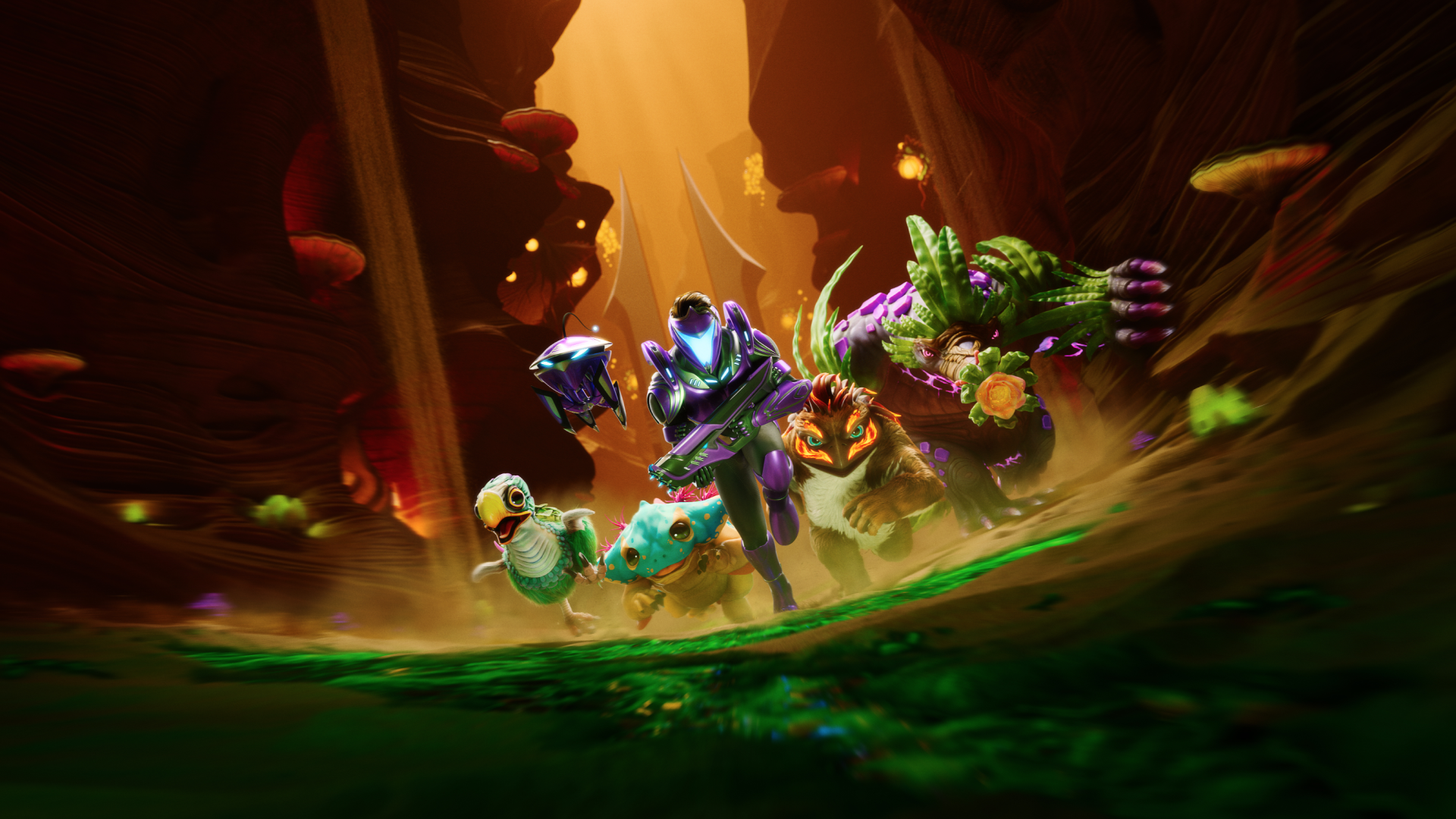
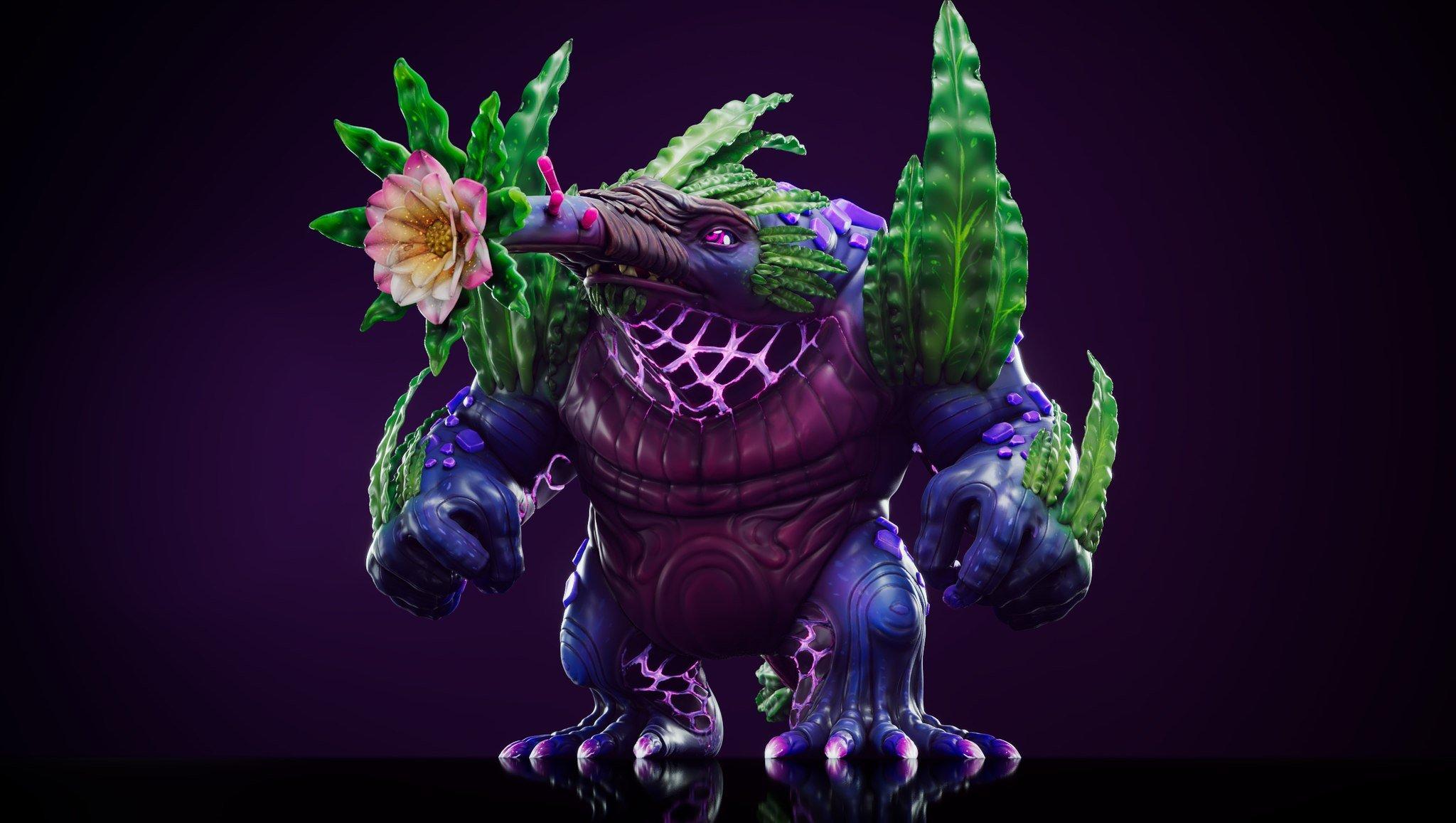
Illuvium is a blockchain gaming universe centered on creatures often described as Illuvials, which players can discover, capture, upgrade, and use in battles. Illuvium has drawn attention because it blends role-playing game ideas, competitive auto-battler mechanics, collectible NFTs, and a broader crypto economy. For many users, the simple explanation is that Illuvium tries to make digital game assets ownable and transferable while still building around gameplay.
Illuvium uses Web3 concepts that may be unfamiliar to traditional players. Instead of every item being locked inside one company database, some Illuvium assets can exist as blockchain tokens. That can make them visible in compatible wallets and marketplaces, but it also means users must manage wallet security, transaction approvals, token volatility, and the possibility that market demand changes quickly.
Illuvium is often discussed beside terms such as Ethereum, Immutable X, NFTs, digital collectibles, decentralized governance, token staking, and crypto gaming. Those terms can make the ecosystem sound more complicated than it needs to be. In practice, Illuvium is a game ecosystem first, and the blockchain layer is the ownership and exchange system that sits around certain assets.
How does Illuvium work?
Illuvium works by connecting game modes, player progress, collectible assets, and marketplace infrastructure. A player may explore zones, encounter creatures, build a roster, choose formations, and compete in strategy battles. Illuvium gameplay is designed around decisions such as which Illuvials to use, how to position them, what synergies matter, and when an upgrade is worth the resources involved.
The protocol side supports digital ownership. Illuvium assets may include creatures, skins, emotes, badges, land-related items, or other collectibles depending on the current release and marketplace availability. These assets can vary by rarity, edition, visual style, utility, and demand. Illuvium NFTs should not be treated as guaranteed investments because collectible markets can be thin, emotional, and highly volatile.
Illuvium also includes economic design. Fuel, resources, land production, marketplace fees, and token incentives may affect how different parts of the ecosystem interact. Illuvium land has been described as a management layer where owners or players interact with resources that can support the wider game economy. The exact usefulness of any resource depends on current game rules, adoption, and official implementation.
What can you do in Illuvium?
Illuvium can appeal to several types of users. A traditional gamer may care about exploration, combat, progression, and visual quality. A strategy player may focus on team composition and battle outcomes. A collector may care about scarce editions, cosmetic items, badges, or creature variants. A crypto user may be more interested in ILV, governance, staking history, and marketplace behavior.
Illuvium use cases generally fall into a few practical categories:
- Play game modes that involve exploration, collecting, fighting, or resource management.
- Build a roster of Illuvials and test different team strategies.
- Collect Illuvium NFTs such as creatures, cosmetics, badges, emotes, or land-related items.
- Use marketplace tools to view listings, floor prices, offers, and recent activity.
- Follow ILV token updates, governance topics, and ecosystem development.
Illuvium is not only about earning. Some users are attracted by the art direction, creature design, and the possibility of a larger gaming universe. Others are cautious because many blockchain games have struggled to balance fun, scarcity, speculation, and sustainable player demand. That tension is important: Illuvium needs strong gameplay, not only token mechanics, for long-term interest.
How do the ILV token and marketplace pieces fit?
Illuvium is associated with ILV, a crypto token connected to governance and ecosystem participation. The ILV token is not the same thing as a character, account, or ordinary in-game currency. Its value can move independently from the quality of the game, and it can be affected by broader crypto market cycles, liquidity, exchange access, emissions, staking rules, and user sentiment.
Illuvium marketplace activity may involve NFTs listed in ETH, wrapped ETH, or other supported assets depending on the platform and network. Users may see floor prices, top offers, last sale amounts, total volume, holder counts, and item traits. These numbers help describe market activity, but they do not prove future value. A low floor price can signal accessibility, weak demand, or a mix of both.
Illuvium users should separate three ideas: playing the game, holding ILV, and buying NFTs. These activities have different risks. Playing may cost time and optional purchases. Holding ILV carries token price risk. Buying Illuvium NFTs adds collectible risk, wallet risk, marketplace risk, and potential liquidity risk. A useful deeper companion is an that focuses specifically on token mechanics and risk factors.
How do Illuvium NFTs work?
Illuvium NFTs are digital assets that can represent collectible or usable items within the ecosystem. Depending on the asset type, an Illuvium NFT may be valued for its appearance, scarcity, edition, utility, historical relevance, or connection to a game mode. Some early promotional items and badges may attract collectors because they are tied to a specific period in the project history.
Illuvium NFTs require more care than ordinary game inventory. A user must understand wallet addresses, approvals, network fees, marketplace authenticity, phishing risks, and the difference between an official collection and a lookalike. Illuvium items may appear on NFT marketplaces, but users should verify contract details and collection legitimacy before signing transactions or accepting offers.
Illuvium NFT prices can move sharply. A listed price is only what one seller is asking, while a last sale is only what one buyer paid at a particular moment. Floor prices can change when a few listings are removed or undercut. For a broader explanation of collectibles, traits, and marketplace checks, a dedicated can be useful before buying anything.
How do you get started with Illuvium?
Illuvium beginners should start by learning before connecting a wallet or spending money. The safest first step is to identify the official game, official marketplace references, official social channels, and current supported networks. Because fake links and impersonation are common in crypto, users should avoid random direct messages, sponsored lookalike pages, and unofficial download links.
Illuvium onboarding may look different depending on whether the user wants to play, collect, or research the token. A careful workflow keeps those paths separate and reduces mistakes:
- Read the current official information about supported Illuvium games and access requirements.
- Decide whether the goal is gameplay, collecting, token research, or simple observation.
- Create or use a wallet only after understanding seed phrase security and transaction approvals.
- Check marketplace collections, contract details, fees, and network requirements before trading.
- Start with small actions and avoid committing funds needed for everyday expenses.
For a new user, Illuvium can feel like a game account, an NFT collection, and a crypto wallet all at once. That is why small steps matter. Illuvium may be free or low-cost to explore in some contexts, but any blockchain transaction, NFT purchase, token swap, or marketplace offer should be treated as a financial decision with real risk.
What are the main benefits of Illuvium?
Illuvium has several potential benefits for users who understand the model. The first is player ownership. Illuvium assets that exist as NFTs may be transferable outside a single closed account system. That can give users more flexibility than traditional game items, although the practical value depends on marketplace demand and ongoing support.
Illuvium also offers a more ambitious style of Web3 gaming than simple token reward loops. The ecosystem has been associated with high-quality creature art, auto-battler strategy, land systems, and multiple connected experiences. If Illuvium succeeds as a game, the appeal could come from its world and mechanics rather than from speculation alone.
Another benefit is transparency. Illuvium marketplace assets can show public transaction histories, supply signals, and owner distribution depending on the chain and platform. Public data does not remove risk, but it gives users more information than many closed game economies provide. Illuvium collectors can compare listings, recent sales, and trait availability before deciding whether an item interests them.
What risks should Illuvium users understand?
Illuvium carries the usual risks of crypto projects plus the specific risks of games and collectibles. ILV can be volatile, NFTs can become illiquid, and game economies can change after updates. Illuvium users may also face phishing sites, malicious approvals, fake support messages, compromised wallets, exchange outages, and smart contract or marketplace issues.
Illuvium should not be approached as a guaranteed way to earn money. Play-to-earn language across the broader industry has often encouraged unrealistic expectations. A game economy depends on active players, balanced resource sinks, sustainable demand, and enjoyable gameplay. If rewards become the only reason people participate, any Web3 game can struggle when token prices fall or market attention moves elsewhere.
Illuvium users should also understand development risk. Games can be delayed, redesigned, rebalanced, or split across releases. Features mentioned in older articles, trailers, marketplace listings, or community discussion may not match the current product. Before making decisions, verify current access, supported regions, wallet requirements, token utility, NFT utility, and marketplace status through official Illuvium sources.
How does Illuvium compare with traditional games and other crypto games?
Illuvium differs from traditional games because some assets can be blockchain-based and tradable. In a conventional game, a skin or creature usually remains inside the publisher's servers and terms of service. Illuvium may give users more visible ownership and transfer options, but that comes with more responsibility. Lost private keys, mistaken transfers, and malicious approvals are not handled like ordinary password resets.
Illuvium also differs from many lightweight crypto games because it aims for a broader entertainment experience. Some blockchain games focus mainly on token farming or simple browser loops. Illuvium is more often discussed as a gaming universe with creatures, battles, land, cosmetics, and ecosystem governance. That ambition can be a strength, but it also raises the bar for execution.
In practice, Illuvium sits between gaming culture and crypto market culture. Traditional players may judge Illuvium by fun, polish, balance, and performance. Crypto users may judge Illuvium by tokenomics, NFT liquidity, exchange access, and treasury or governance decisions. The healthiest analysis considers both sides because a Web3 game needs players as much as it needs market infrastructure.
What should you think about before using Illuvium?
Illuvium is worth studying if you are interested in the intersection of games, NFTs, and crypto economies. It offers a useful case study in how a game world can connect collectible assets, marketplace trading, token governance, and player progression. Illuvium also shows why Web3 gaming requires careful judgment: the same features that create ownership and open markets can create complexity and risk.
Illuvium may be most approachable when viewed first as entertainment. If the gameplay, art, strategy, and community interest you, then the blockchain layer can be evaluated as an added system rather than the whole reason to participate. If the main attraction is price movement, then Illuvium should be assessed like any other speculative crypto exposure, with strict attention to risk and independent verification.
Illuvium continues to evolve, and user decisions should be based on current facts rather than old hype, old prices, or isolated marketplace listings. Learn the game modes, understand ILV separately from NFTs, protect your wallet, and treat every transaction as irreversible unless the platform clearly says otherwise. Illuvium can be interesting, but it rewards careful research more than impulse.
Questions and Answers
What is Illuvium in simple terms?
Illuvium is a Web3 gaming ecosystem built around collectible creatures, strategy battles, digital land concepts, NFTs, and the ILV token. It combines game progression with blockchain-based ownership for certain assets. Users may approach Illuvium as players, collectors, token researchers, or marketplace observers, but each activity has different costs, risks, and responsibilities.
Is Illuvium only an NFT collection?
No. Illuvium is broader than an NFT collection. NFTs can represent creatures, cosmetics, badges, land-related assets, or promotional items, but the larger idea is a connected game universe. Marketplace listings show part of the ecosystem, while gameplay, resource systems, strategy, governance, and the ILV token make up other important parts.
What is the ILV token used for?
ILV is associated with Illuvium governance and ecosystem participation, but users should verify current utility through official sources because token rules and platform features can change. ILV is separate from ordinary gameplay items and separate from Illuvium NFTs. Holding ILV involves crypto market risk, including volatility, liquidity changes, and broader market sentiment.
Can you make money playing Illuvium?
Illuvium should not be treated as a guaranteed way to make money. Some Web3 games include tradable assets or reward systems, but outcomes depend on player demand, token prices, marketplace liquidity, game balance, and timing. Users should view spending on Illuvium, ILV, or NFTs as risky and avoid using funds needed for essential expenses.
How do Illuvium NFTs get their value?
Illuvium NFTs may be valued for rarity, utility, visual design, edition history, traits, or collector demand. A listing price does not guarantee that someone will buy the item at that amount. Recent sales, holder distribution, official collection verification, and current in-game usefulness are all important checks before considering any NFT purchase.
Is Illuvium safe to use?
Illuvium safety depends on user behavior as well as platform security. Users should verify official links, check wallet permissions, avoid suspicious direct messages, protect seed phrases, and confirm collection contracts before trading. Even when using legitimate tools, crypto transactions can be irreversible and assets such as ILV or NFTs can lose value.
How should a beginner start with Illuvium?
A beginner should first learn the current game modes, official access points, supported wallets, and marketplace structure without rushing into purchases. After understanding wallet security and network fees, the user can decide whether their goal is gameplay, collecting, or token research. Starting small reduces the chance of costly mistakes.